Wound-Focused RN Visits
Structured assessment, wound narrative, dressing follow-up, and patient/caregiver education after discharge.
Perry Home Wound Care supports the transition home with wound-focused assessment, dressing follow-up, caregiver education, documentation, and clinical coordination between discharge and the patient’s next provider or wound-center visit.
Structured assessment, wound narrative, dressing follow-up, and patient/caregiver education after discharge.
A clear escalation pathway when wound changes require provider review or additional follow-up.
We see the real environment: caregiver readiness, supplies, positioning, mobility, and daily routine.
Organized documentation and communication for appropriate members of the patient’s care team.
A discharge plan may be clinically sound, but the home environment introduces new variables: caregiver confidence, supply access, adherence, mobility limitations, pressure relief, transportation, and uncertainty about which changes should be reported.
Translate the wound plan into practical routines the patient and caregiver can follow at home.
Monitor drainage, surrounding skin, pain, odor, wound appearance, and other clinically relevant changes.
Document the home follow-up and coordinate the next step when the wound plan needs clarification or escalation.
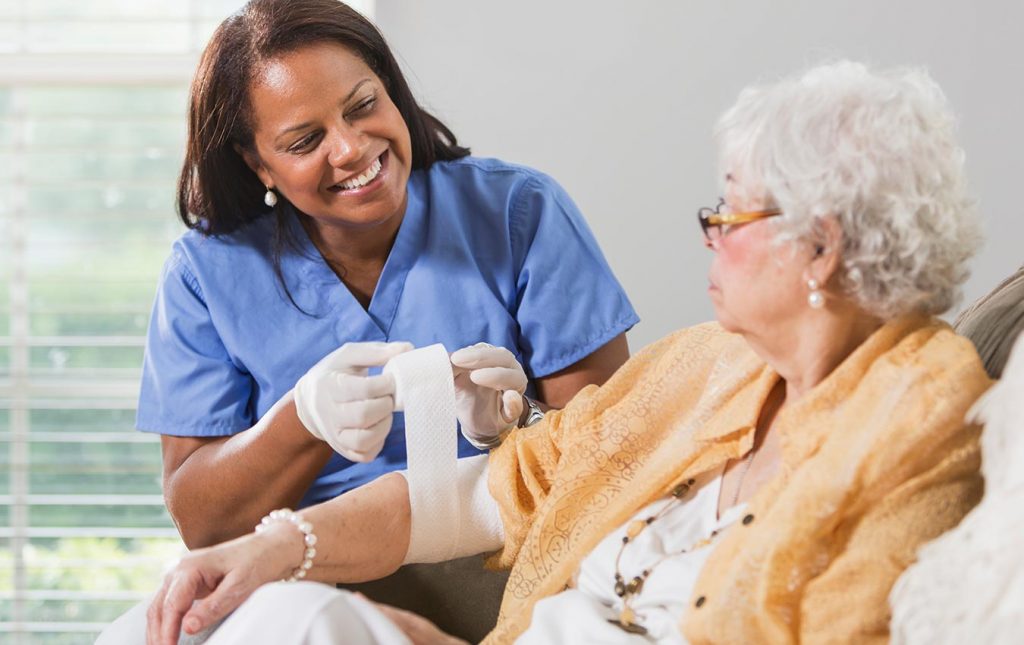
PHWC is positioned after discharge—not as a replacement for the facility’s internal wound program or wound vendor.
Give the patient a defined wound-care follow-up resource when the discharge plan continues into the home environment.
Teach-back and practical reinforcement can help families understand dressing schedules, pressure relief, supplies, and reporting triggers.
Structured home-visit documentation can support the next provider, wound center, home health team, or other authorized care partner.
PHWC serves patients from our Perry base across nearby Middle Georgia communities. Intake can review patient location, discharge timing, referral requirements, and visit availability.
The facility sends contact information and the non-PHI intake details needed to start coordination.
PHWC reviews available wound orders, service needs, payer considerations, location, and scheduling requirements.
The clinician evaluates the wound and the practical home conditions that may affect the plan.
The patient and caregiver receive clear reinforcement around the authorized wound-care plan and red flags.
Relevant findings and changes are documented and communicated through the appropriate care pathway.
Support for wound monitoring, offloading adherence, surrounding skin checks, education, and escalation when additional evaluation is needed.
Follow-up aligned with the authorized plan of care.Monitoring, moisture and skin protection, caregiver teaching, repositioning support, and pressure-redistribution education.
Stage and treatment decisions remain based on clinical assessment and orders.Edema and skin monitoring, dressing support, education, and reinforcement of ordered compression or elevation strategies when appropriate.
Vascular concerns are coordinated with the treating team.Incision and drainage monitoring, dressing support, education, and communication when concerning changes appear after discharge.
Emergency symptoms require the appropriate emergency pathway.A focused team supporting clinical care, operations, referrals, and compliance.

Family Nurse Practitioner • Clinical Oversight

Administrator • Registered Nurse • Wound Care
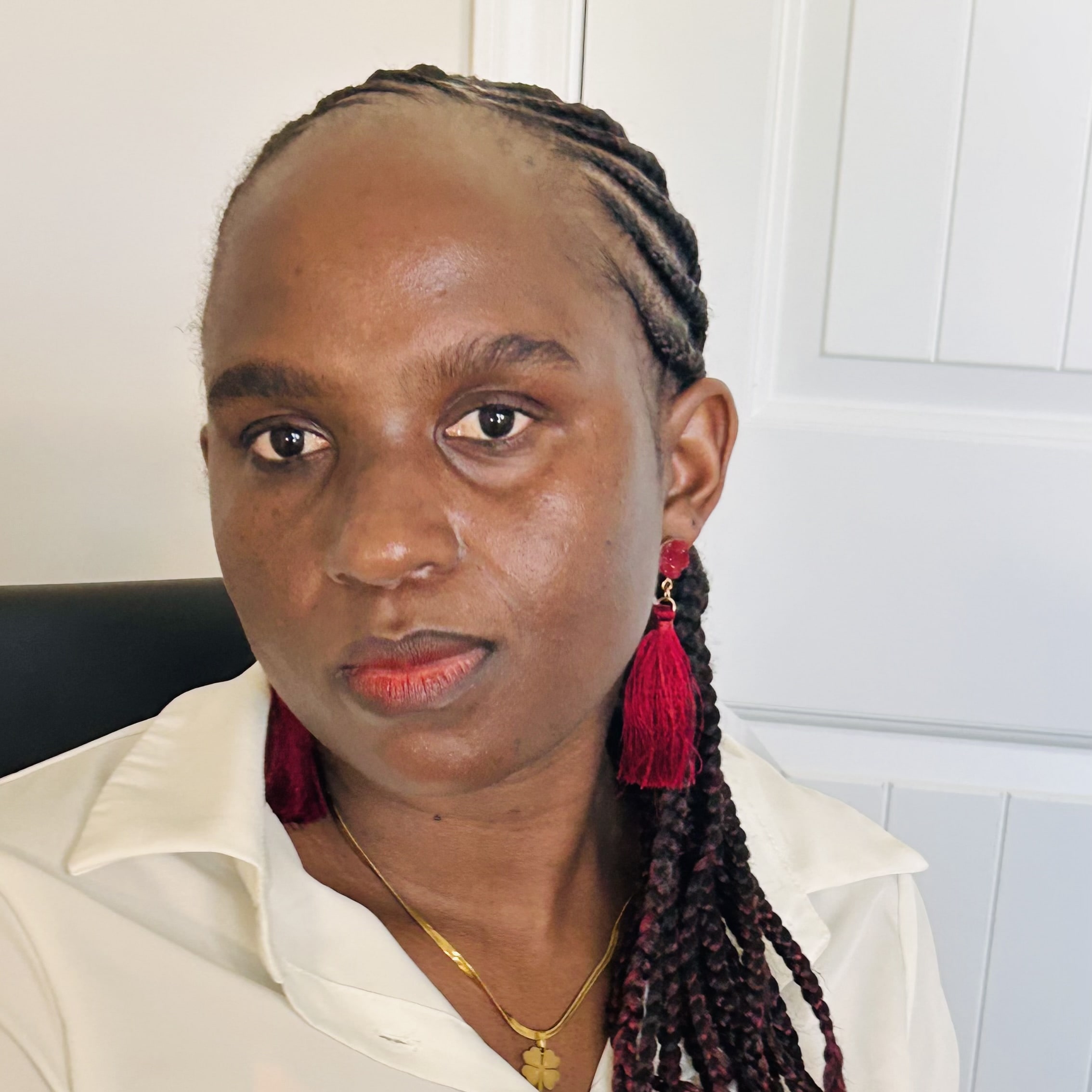
Compliance & Human Resources

Share the facility contact information and basic coordination details. PHWC can then review the next step.
Call intake if you need to discuss a discharge workflow or determine what documentation is needed.
(478) 310-4446Connect with Perry Home Wound Care about SNF discharge coordination, referral workflow, or a facility partnership.